
What Should Homeowners Know About Fencing Services in Santa Fe?
A fence does more than mark the edge of a property. It can influence privacy, security, curb appeal, pet safety, and how a yard functions day to day. In my experience, Home in One homeowners get better results when they consider the property's terrain, climate, intended use, and maintenance needs before selecting a fence. That is why fencing services in Santa Fe should be evaluated around the actual needs of the property rather than simply choosing the cheapest material or most attractive design.
Santa Fe properties also present conditions that deserve careful attention. Dry weather, intense sun, temperature changes, wind, slopes, soil conditions, and established landscaping can all affect fencing decisions. I prefer to start with the purpose of the fence, then work through material, height, placement, gates, property boundaries, installation conditions, and long-term maintenance.
Key Takeaways
Define whether the fence is primarily for privacy, security, pets, or appearance.
Choose materials based on Santa Fe's climate and the property's conditions.
Confirm property lines and applicable local requirements before installation.
Consider terrain, gates, drainage, and landscaping before construction.
Compare long-term maintenance instead of focusing only on installation cost.
Start With the Purpose of the Fence
The first question I ask is what the fence actually needs to accomplish. A homeowner who wants privacy from a neighboring property has different requirements from someone who simply wants to keep a dog inside the yard.
Privacy fencing generally requires greater height and fewer openings, while decorative fencing may focus more on appearance and visibility. Pool areas, pet enclosures, garden boundaries, and security fencing each have their own practical considerations.
I also think about how the property may be used several years from now. A homeowner with young children may eventually need different access arrangements as the family changes. Similarly, someone adopting a larger dog may need stronger panels and gates than initially expected.
Height deserves particular attention because taller fencing can change wind exposure and visual impact. Instead of choosing a height based solely on appearance, I recommend considering privacy requirements, neighborhood character, local regulations, and how the fence will interact with nearby structures.
Choose Materials Based on Local Conditions
Material selection is one of the biggest decisions because it affects appearance, durability, maintenance, and cost. Wood remains popular because it offers a warm, natural appearance and can be customized in many ways. However, it requires ongoing attention to staining, sealing, moisture exposure, and deterioration.
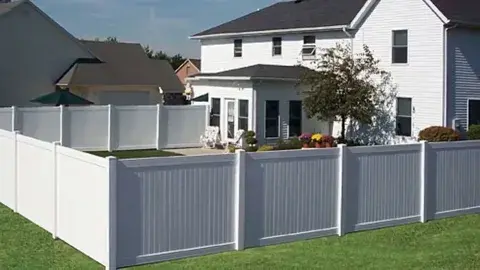
Vinyl is another option for homeowners who want a relatively low-maintenance surface. It does not require the same type of staining as wood, although it can still become dirty, damaged, or discolored over time.
Metal fencing can provide a different balance of durability and appearance. Steel and aluminum are commonly used for security, decorative boundaries, and areas where visibility is desirable. The appropriate choice depends on the property's exposure, desired appearance, budget, and installation requirements.
Chain-link fencing can be practical when visibility, pet containment, or basic boundary definition is more important than privacy. It can also be modified with privacy materials, although those additions may change wind exposure and appearance.
Evaluate the Property Before Installation
Before any fence is installed, I believe the property itself deserves a careful inspection. A level yard is relatively straightforward, but slopes, retaining walls, rock, established trees, irrigation lines, and uneven ground can change the installation process.
Santa Fe's terrain can vary significantly between properties. A fence following a slope may need stepped sections or carefully adjusted panels rather than a perfectly level appearance. The approach should match both the terrain and the selected material.
Soil conditions also matter. Fence posts need appropriate support, and the installation method should account for the type of soil and the loads placed on the fence. A poorly supported post can lead to leaning, movement, or premature failure.
Existing landscaping deserves attention as well. Trees and large shrubs can interfere with fence lines, while irrigation systems may run beneath proposed installation areas. Identifying these issues before construction helps avoid unnecessary damage and rework.
Understand What Local Fencing Services Should Include
When comparing professional fence installation, I would look beyond the panels themselves. A complete project involves layout, measurements, post placement, gates, hardware, installation methods, cleanup, and consideration of the surrounding property.
Property boundaries are especially important. Homeowners should confirm where their property ends before placing a permanent structure. Existing fences do not always represent the precise legal boundary, so relying on an old fence alone can create problems.
Local requirements may also affect fence height, placement, corner visibility, or other characteristics. Requirements can differ based on location and property circumstances, so I recommend checking applicable rules before committing to a design.
The gate deserves equal attention. A fence may look excellent, but an undersized or poorly positioned gate can make everyday use frustrating. Vehicle access, pedestrian entry, pets, trash containers, and maintenance equipment should all be considered when deciding where gates belong.
Planning Details Worth Reviewing
Confirm the intended fence purpose before choosing materials.
Check property boundaries before establishing the fence line.
Identify slopes, trees, irrigation, and other site obstacles.
Plan pedestrian and vehicle gates around actual property use.
Review applicable local requirements before installation.
Compare Costs Beyond the Initial Estimate
Fence pricing varies because materials, dimensions, terrain, labor, gates, removal, and site preparation can all affect the final amount. A short fence on a level property may be relatively straightforward, while a long installation across difficult terrain can require considerably more preparation.
I also recommend thinking about cost over the entire life of the fence. A material with a lower installation price may require more frequent staining, painting, repairs, or component replacement. Another material may cost more initially but require less routine attention.
For homeowners researching residential fencing in Santa Fe, maintenance should be part of the comparison rather than an afterthought. Wood may need periodic sealing or staining, while vinyl can generally be maintained with routine cleaning. Metal fencing may require inspection for corrosion or damaged finishes depending on the material and coating.
Fence lifespan also varies significantly by material, construction quality, climate exposure, and maintenance. Some well-maintained wood fences can last around 15 to 20 years, while certain metal or vinyl systems can remain functional for several decades under suitable conditions.
Consider Privacy, Security, and Appearance Together
Privacy is often one of the main reasons homeowners install fencing, but complete visual separation is not always the best choice. A partially open design may provide privacy while allowing more light and airflow through the yard.
Security requirements also need to be realistic. A taller fence with a strong gate can make unauthorized access more difficult, but fence design should work alongside lighting, locks, landscaping, and other property security measures.
Appearance matters because fencing occupies a large visual area. The style should complement the home's architecture, exterior materials, landscaping, and surrounding properties rather than looking like an isolated addition.
I also recommend considering how the fence will look from both sides. A homeowner may see the finished project every day, but neighbors and people approaching the property may see the opposite side. A thoughtful design should make sense from both perspectives.
Common Fence Selection Mistakes
Choosing material without considering maintenance requirements.
Installing without confirming the actual property boundary.
Ignoring slopes and underground utilities during planning.
Selecting gates that are too small for everyday use.
Focusing only on upfront price instead of long-term value.
Plan for Maintenance From the Beginning
Every fence requires some level of maintenance, even when the material is marketed as low-maintenance. The difference is usually how much attention the fence needs and what type of work is involved.
For wood, I would inspect posts, boards, fasteners, and finishes regularly. Cracking, discoloration, rot, or loose components can indicate that maintenance is overdue.
For vinyl, routine cleaning and inspection are usually more important than refinishing. Damaged panels or hardware should still be addressed promptly because a small failure can affect neighboring sections.
Metal fencing should be checked for loose hardware, surface damage, and corrosion where applicable. Gates deserve particular attention because hinges and latches receive repeated use.
A simple annual inspection can catch problems before they become larger repairs. I find it easier to address one loose board or gate hinge than wait until an entire section needs replacement.
Simple Maintenance Habits
Inspect posts and gates at least once a year.
Keep vegetation from constantly pressing against fence sections.
Address loose hardware before it causes larger movement.
Clean surfaces according to the material's requirements.
Refinish or repair wood when its protective coating begins to deteriorate.
Ask the Right Questions Before Hiring
Before choosing a fencing contractor, I would ask exactly what the estimate includes. Does it cover removal of an existing fence? Is site preparation included? Are gates, hardware, post installation, cleanup, and disposal part of the quoted work?
Experience with local conditions is also worth considering. A contractor should understand how terrain, soil, weather exposure, and existing landscaping can affect installation.
I also recommend asking about material specifications rather than accepting a generic description. The thickness, treatment, finish, hardware, post type, and construction method can influence how a fence performs over time.
Finally, homeowners should avoid making a decision based entirely on photographs. A fence that looks excellent in one setting may not be appropriate for a particular yard. The property's dimensions, surrounding structures, landscape design, and intended use should drive the final selection.
Frequently Asked Questions
How do I choose the right fence for my Santa Fe property?
Start with the main purpose of the fence, such as privacy, security, pet containment, or appearance. Then compare materials based on terrain, sunlight, wind exposure, maintenance needs, budget, and the architectural style of the home.
How long does a residential fence usually last?
Lifespan varies by material, installation quality, weather exposure, and maintenance. Some wood fences may last around 15 to 20 years with proper care, while well-maintained vinyl and metal fencing can potentially last longer.
Do I need to confirm my property line before installing a fence?
Yes. A homeowner should know where the legal property boundary is before installing a permanent structure. Existing fences are not necessarily an accurate indicator of the surveyed boundary.
What should I consider when planning a fence gate?
Think about how people, pets, vehicles, lawn equipment, and maintenance crews will use the property. Gate width, swing direction, hardware, location, and clearance can all affect everyday convenience.
Does Santa Fe's climate affect fencing materials?
Yes. Strong sunlight, dry conditions, temperature fluctuations, wind, and occasional moisture can affect different materials in different ways. Material selection should account for both environmental exposure and the level of maintenance the homeowner is willing to provide.
Final Thoughts
I see fencing as a long-term property decision rather than simply a construction project. The best result comes from matching the fence to the property's purpose, terrain, architecture, climate, and future use.
Homeowners should compare materials carefully, confirm boundaries, plan gates around daily activities, and understand maintenance before choosing a design. Installation quality matters just as much because even a high-quality material can perform poorly when posts, spacing, drainage, or site preparation are handled incorrectly.
For me, the most sensible approach is to evaluate the whole property first and choose the fence afterward. That keeps the decision practical and helps homeowners avoid paying for features that do not actually solve their needs.
Plan Your Fencing Project
If you are considering a new fence, replacement, or repair, contact a local fencing professional to discuss the property and your goals. Share information about the desired purpose, approximate fence length, existing conditions, terrain, gates, and preferred materials. A site-specific assessment can help identify installation challenges and clarify which options fit the property. Taking time to discuss these details before work begins can make budgeting, scheduling, material selection, and long-term maintenance much easier to manage.
Comments